

Can an Electricity Substation Make a Residential Property Mixed-Use for SDLT?
Explore the Inngrays v HMRC ruling on mixed-use SDLT and why separately occupied substation land was excluded from residential garden or grounds.

In Inngrays Limited v HMRC [2026] UKFTT 1478 (TC), decided on 23 October 2026, the First-tier Tribunal (FTT) considered whether land occupied by an electricity substation formed part of a property's garden or grounds for Stamp Duty Land Tax (SDLT) purposes. The distinction matters because a purchase containing both residential and non-residential elements can qualify for mixed-use SDLT rates, which is lower than the residential rates.
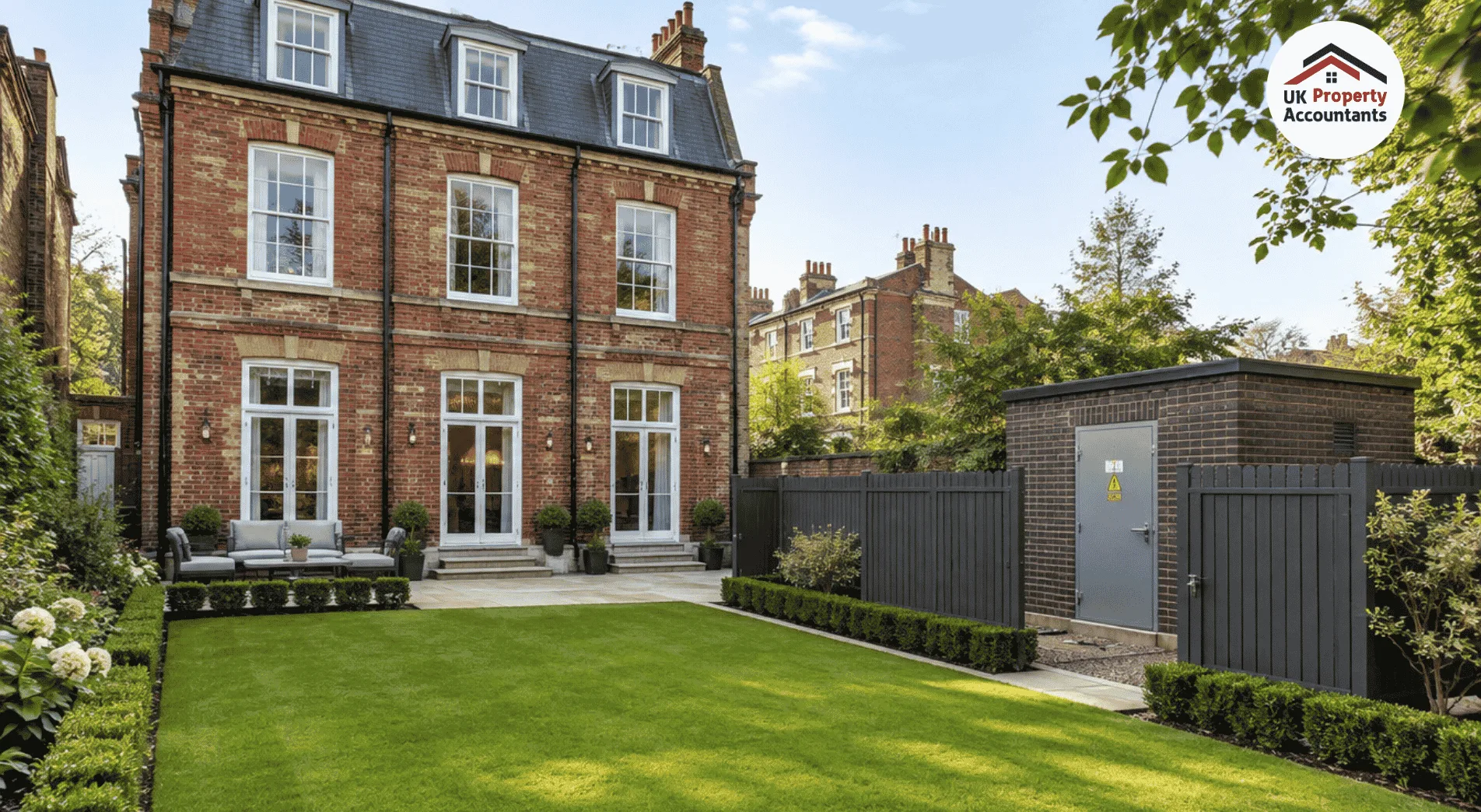
Inngrays Limited (the "Appellant") purchased a £7.75 million property comprising five flats. At the rear stood a brick substation on land held under a separate registered leasehold title, demised to a third party for twenty years at £1,250 plus VAT, permitted to be used only as an electrical transformer substation. The land had been separately occupied for electricity distribution since at least 1963. The Appellant treated the purchase as mixed-use and paid £377,000 in SDLT. HMRC disagreed, treating the entire property as residential and demanding a further £341,750.
The dispute centred on Section 116(1)(b) of the Finance Act 2003, under which land forming part of a dwelling's garden or grounds is residential property. The question was whether the substation land still formed part of those grounds despite its separate commercial use.
The FTT allowed the appeal. It accepted that a third-party lease or commercial use does not automatically make land non-residential. However, this case involved complete exclusion: the owner was excluded from possession and use of the substation land, except for limited rights of re-entry, and the flat occupiers had no rights over it.
The FTT distinguished Faiers v HMRC and Bloom v HMRC, where overhead electricity cables and underground septic tanks left the affected land available for the same use as the surrounding grounds. In contrast, the substation was a separate building occupying a defined area and preventing any residential use. The FTT also distinguished 39 Fitzjohns Avenue Ltd v HMRC, where the ventilation shaft itself was not part of the land purchased.
The FTT further found that the substation had a "self-standing" commercial function, serving the wider electricity network rather than the flats. Its exclusive occupation and more than 60 years of separate use showed that it was not an appendage to the residential property.
Read the full case law here.
About the author
Jayashree Chapagain is a legal professional with a specialisation in tax, corporate governance and financial regulation. With a background in both business and law, she brings a multidisciplinary approach to her work.
Introducing RentalBux: Our MTD Software for Landlords
Generic software doesn’t understand property businesses and requires manual intervention to meet deadlines. That’s why we developed RentalBux!
- Built by Property Experts
- Designed for UK Landlords
- HMRC Recognised and MTD Compliant

Confused Where To Start?
Schedule a Free 15-minute discovery call by providing your contact details, mentioning your requirements, and selecting a convenient date for the call.
How our discovery call works:
- Complete Our Contact Form
- Discovery Calls Scheduled
- Receive a Tailored Proposal