


We all have a habit of turning to ChatGPT when we're confused or indecisive, seeking answers to questions that have arisen in our minds. Whether it's asking questions about how to change a bulb or how to do my homework. Sometimes we go beyond all this and ask it to do our homework and office work when deadlines are approaching. But is this the right approach to things in our lives?
ChatGPT is one of the most popular AIs among us all due to its human-like communication pattern. We feel like we are talking to someone we know and who is an expert. Many of us have adopted texting as a means of communication with friends and family. Another informative technology, like Google, feels like work when interacting with it, but ChatGPT makes it seem like we are conversing with it. Similarly, many others have adopted the same user interface, which makes it feel familiar and known to us. But do we really know them and how they work?
You're right that ChatGPT feels approachable; it’s designed to simulate human-like reasoning and conversation. That’s exactly why people start trusting it with complex or sensitive tasks, such as writing essays, drafting legal documents, or even filing tax returns.
But here’s the problem: ChatGPT doesn’t “know” your personal circumstances or the latest HMRC updates. It doesn’t file returns, check for compliance errors, or guarantee accuracy. It generates text that sounds correct, which is why people often mistake confidence for correctness.
When it comes to taxes, even a small mistake, such as misreporting income, misclassifying expenses, or failing to claim a relief, can trigger HMRC penalties or an investigation. AI can assist with explanations or examples, but it’s not a substitute for professional judgment or compliance tools.
Why Are People Turning to ChatGPT for Taxes?
We can find trending articles and videos on how people are doing things themselves for free, their topic usually being “I did this for free with the help of AI, and so can you”. They encourage you to visit more of their links, only to have the information mentioned vaguely. Adding more to your confusion and doubts.
We all want to cut our costs, which often involves eliminating unnecessary administrative work, where accountants' fees seem like an unnecessary expense. Seeing your accountant do it in a few hours makes you feel if it is even worth the pay. On the other hand, free AI tools like ChatGPT make you want to try them out yourself. ChatGPT offers less research and instant answers, which I do not wish to. Add to that the manipulative power of social media, which promotes “quick wins” and “AI hacks,” and it’s easy to see why people turn to ChatGPT instead of professional help.
It’s understandable. ChatGPT provides instant answers, reducing the research you’d otherwise have to do. But instant doesn’t mean correct, especially when it comes to taxes.
Understanding What ChatGPT Actually Does
Before using ChatGPT for tax matters, it’s essential to understand what it can and cannot do. ChatGPT is a language model: it predicts and generates words based on patterns it has learned. It does not verify facts, check live data, or interpret the law for your specific situation.
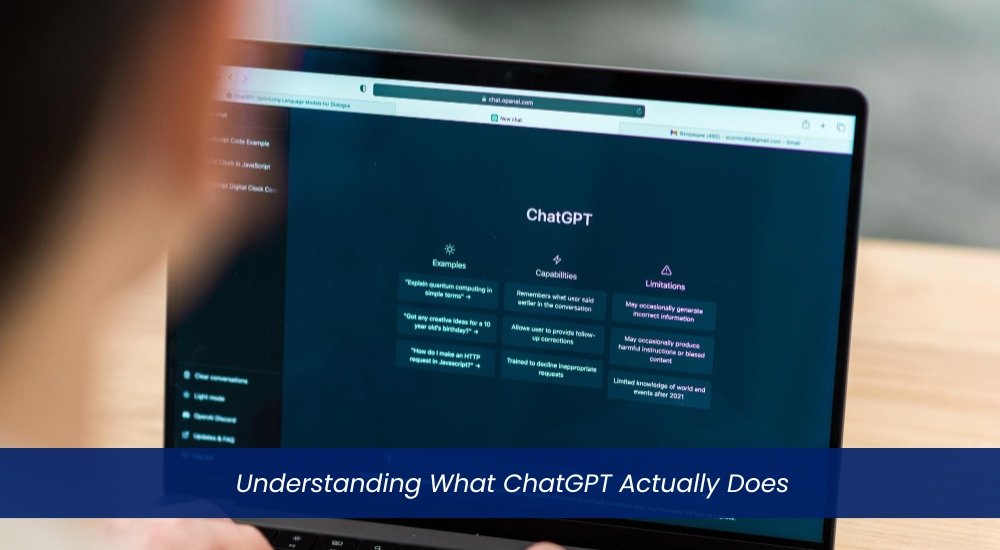
When you ask ChatGPT about your taxes, it produces text that sounds convincing. It might even appear highly accurate. But it doesn’t know your income sources, property ownership status, residency, or whether you qualify for specific reliefs.
For instance, it might confidently tell you that your capital gains tax liability is £2,500 — when in reality, it could be missing key factors, like allowable losses, non-resident rules, or reliefs for property sales. This is why trusting AI with your return can go wrong quickly.
When AI Goes Bad?
Here are some ways AI can mislead taxpayers:
Incorrect Calculations
ChatGPT isn’t a calculator or accounting software; it’s a language model that predicts text based on patterns. When asked to “work out” a tax bill, it doesn’t compute verified figures; instead, it generates what appears to be a correct answer. This can easily lead to calculation errors. For instance, it may overlook the personal savings allowance, apply the incorrect tax band, or confuse dividend income with employment income. Even a small mistake, such as using the incorrect threshold for the higher-rate tax band, can result in an inaccurate final figure. And while these may seem like minor errors, in tax, even a few percentage points can mean hundreds or thousands of pounds lost or owed to HMRC.
Outdated or Wrong Tax Rules
Tax rules in the UK change frequently, often every year, and sometimes even mid-year due to government updates. ChatGPT’s knowledge is based on data from before its last training cut-off. It may not include the most recent HMRC changes, such as updated Corporation Tax rates, capital gains allowances, or Making Tax Digital requirements. This means it might confidently provide outdated figures that no longer apply. Using obsolete information could lead to serious issues, from underpayment or overpayment of tax to penalties for incorrect filings. Even a well-written answer can be dangerously misleading if it’s based on last year’s tax code.
Misunderstanding Complex Situations
While ChatGPT can summarise tax concepts, it struggles with real-world complexity. Every taxpayer’s circumstances are different, and nuances matter. For example, landlords, limited company owners, and non-resident investors are all taxed differently, often with various reliefs and exemptions. AI tends to simplify these into general rules intended for a typical UK resident taxpayer, which may be completely incorrect for your situation. For instance, a non-resident selling a UK property is subject to special capital gains rules that differ from those of UK residents, yet ChatGPT might omit these distinctions entirely. Relying on such generic advice can create major compliance issues, especially for those with cross-border or business income.
Lack of Accountability
One of the biggest risks in using AI for tax work is that it carries no responsibility for the accuracy of the outcome. If ChatGPT gives you an incorrect figure, there’s no recourse. HMRC won’t accept “ChatGPT told me so” as a valid defence against fines or investigations. You, as the taxpayer, are fully accountable for any errors or omissions on your return, regardless of who helped you prepare it. Unlike a qualified accountant or tax adviser, AI doesn’t have a professional duty of care or insurance protection. So, if something goes wrong, the financial and legal consequences fall entirely on you.
Data Privacy Risks
Tax work involves handling sensitive personal and financial information, including income levels, National Insurance numbers, UTRs, company details, and other relevant data. Sharing this kind of data with a public AI system, such as ChatGPT, introduces significant privacy risks. These systems are not subject to the same confidentiality laws as accountants, nor are they designed to handle client-specific financial data. Once you input that information, you lose control over how it’s processed or stored. While platforms take security seriously, there’s always a chance your data could be logged or exposed. For this reason, personal tax details should only ever be shared with regulated professionals or secure, HMRC-recognised software.
Real-World Consequences
Even small mistakes can have serious consequences:
There are already reports of taxpayers using AI guidance and later facing HMRC correction notices or late filing charges. What was meant to save money often ends up costing much more.
Example
Let’s take a real-life example about calculating income tax
Laurel is a resident of the UK. She earns £65,000 a year from her job and has rental income of £10,000 from a buy-to-let property. She wants to file her income tax return for the year and decides to ask ChatGPT for help.
Laurel types into ChatGPT
“I earn a £65,000 salary and £10,000 rental income in the UK. How much income tax do I owe this year?”
ChatGPT responds confidently
“Your total income is £75,000. After the standard personal allowance of £12,570, your taxable income is £62,430. Your tax would be:
- Basic rate (20% on £37,700) = £7,540
- Higher rate (40% on £24,730) = £9,892
Total tax = £17,432."
On the surface, this seems reasonable. But here’s what ChatGPT missed:
The result? If Laurel relied on this AI-generated calculation, she could overpay or underpay her tax, potentially triggering HMRC penalties or interest charges.
Key takeaway
AI can produce plausible numbers that sound correct, but it often misses the nuances and allowances specific to your situation. Professional guidance is essential to ensure accuracy.
What ChatGPT Can Help With?
While AI cannot replace professional tax advice, it can still be extremely useful when used correctly. Think of it as a study aid or guide rather than a replacement for a licensed accountant.
For example, ChatGPT can help explain tax terms in plain English. Tax jargon, such as “capital allowances,” “personal allowance,” or “non-resident landlord rules,” can be confusing, especially for first-time property investors or small business owners. By breaking these terms down, AI can make the rules much easier to understand, allowing you to make informed decisions before consulting a professional.
ChatGPT can also draft letters or explanations for HMRC. For instance, if you need to explain a late payment or request clarification about a self-assessment issue, AI can help structure the letter professionally. While you or your accountant should always review the final content, this saves significant time and ensures your communication is clear and coherent.
Another practical use is helping to summarise differences between company and individual tax ownership. Many landlords and investors struggle to decide whether to hold property personally or through a limited company. ChatGPT can provide a simplified comparison of tax rates, liability, and reliefs, helping you prepare for a conversation with your accountant.
Finally, ChatGPT is excellent for preparing questions for your accountant. Before a meeting or call, you can generate a list of relevant questions or scenarios to ensure you cover all important points. This reduces wasted time and ensures you get accurate advice tailored to your situation.
In short, ChatGPT is a tool for understanding, not a filing service. It simplifies complex concepts, helps with planning, and enhances your tax literacy — but a qualified professional should validate all decisions.
How to Use AI Safely in Accounting
AI can save time, but it must be used with caution and oversight. The safest approach is to combine AI tools with professional software and human expertise.
First, consider using HMRC-recognised software, such as RentalBux, or other compliant platforms. These systems integrate directly with HMRC standards and automatically perform necessary checks, reducing the risk of errors. AI can be used in conjunction with these platforms to interpret data, create summaries, or draft reports; however, the compliance responsibility remains with both the software and the accountant.
Second, never input full personal or financial details into public chatbots. Unlike professional accountants, AI systems don’t have confidentiality obligations. Sensitive information, such as your UTR, bank account details, salary, or property income, should never be shared in public AI environments. A small oversight could compromise your privacy or financial security.
Third, always verify AI suggestions against HMRC guidance or a licensed accountant. Even when AI provides seemingly accurate calculations or advice, it may omit allowances, reliefs, or exemptions relevant to your unique circumstances. Think of it as a “draft” useful for learning or preparation, but not finalised advice.
Finally, use AI only for research, preparation, or learning purposes, not for final filing or submission. Tasks like calculating final tax liability, submitting forms, or claiming reliefs must be handled by humans or HMRC-recognised software. AI should assist, not replace, the judgment and accountability that trained accountants provide.
In essence, AI can make tasks faster, highlight potential errors, and summarise information, but it cannot replace human judgment, context awareness, or compliance responsibility.
The Future: Accountants + AI, Not Accountants vs AI
AI is not a threat to accountants; it’s a powerful ally. The future isn’t humans versus AI; it’s humans using AI effectively. Accountants who adopt AI can gain efficiency, speed, and deeper insights while maintaining their professional responsibility.
Human accountants bring something AI can never replicate: judgment, context, and accountability. For example, understanding when a property qualifies for a specific relief, recognising errors in complex limited company filings, or navigating non-resident tax obligations all require professional expertise. AI can suggest options, but it cannot take responsibility for the outcome.
Firms like UK Property Accountants are already integrating AI into their processes. They use AI tools to summarise data, highlight anomalies, or prepare reports, but experts review all filings and advice. This hybrid model combines the speed of AI with the accuracy and reliability of human judgment, ensuring clients remain fully compliant while saving time and effort.
The key takeaway: AI is a support tool, not a replacement. Accountants who effectively utilise AI can deliver faster, more informed, and safer guidance, thereby enhancing the client experience while maintaining regulatory compliance.
Conclusion: Trust, But Verify
ChatGPT is undoubtedly an amazing innovation. Its ability to explain complex ideas in plain English, summarise information, and provide draft documents is revolutionary. However, its confidence and conversational style can be misleading, especially when it comes to taxes and compliance.
“Sounding right” is not the same as being right. Even a minor error in tax returns can result in penalties, interest charges, or an audit from HMRC. Using AI without verification is risky.
The safest approach is to use AI to learn, prepare, and summarise, while always verifying final actions with a professional accountant. AI can enhance your understanding, save time, and assist with planning, but it cannot take responsibility for your taxes.
Because when HMRC comes knocking, saying “ChatGPT said so” won’t save you.
FAQs
No. ChatGPT can provide information and explanations, but it cannot legally sign off on or submit tax returns. Only a qualified accountant or you (as the taxpayer) can file a return with HMRC.
Yes. AI may miscalculate amounts, apply outdated rules, or misinterpret your personal situation. Always double-check any guidance it gives.
No. ChatGPT is not a secure, confidential environment. Sensitive data such as your income, UTR, or banking information should never be shared with public AI tools.
Yes. ChatGPT can explain concepts, summarise guidance, and provide examples, making it easier to prepare questions for your accountant or understand your obligations.
Use AI for learning, preparation, or summarising information. Always verify facts with HMRC guidance or a qualified professional, and use secure, HMRC-recognised software for automation.
Need Help?
Stay safe, consult a tax professional before using AI for your returns.

- List of MTD Benefits Beyond Just HMRC Compliance - 26 January 2026
- MTD for UK-Resident Landlords with Foreign Property - 11 January 2026
- MTD Made Simple for Landlords with Jointly Owned Properties - 5 January 2026
